
Smart Cloud Dashboards for Real-Time Load Monitoring
Track, analyze, and manage load data across devices and sites with Load Force Measurement’s scalable cloud-based dashboards.
Monitor loads from any location with live readings, historical trends, and configurable alerts from your connected load cells and sensors.
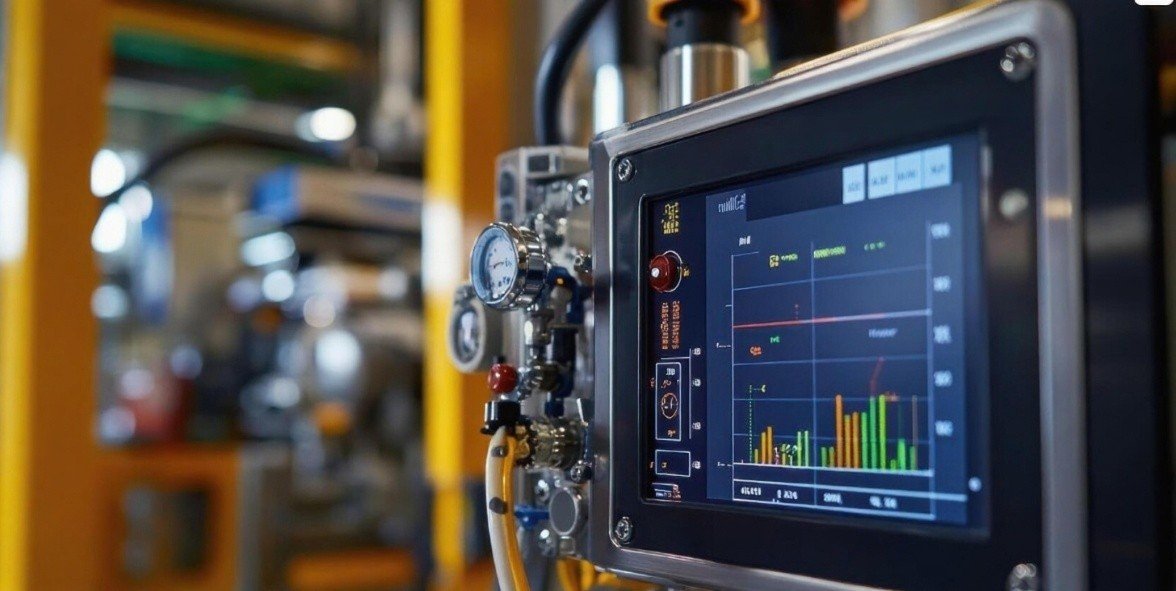
Overview
Cloud-Based Load Monitoring Dashboards for Industrial Applications
Cloud-based load monitoring dashboards provide a centralized platform for collecting, visualizing, and analyzing load and force data from connected sensors, load cells, and industrial monitoring equipment. Engineers and operators can view real-time measurements across multiple devices, facilities, and remote locations through web-based interfaces.
Load Force Measurement provides cloud-connected load monitoring solutions that combine strain gauge load cells, signal conditioners, data acquisition systems, wireless load cell modules, and IoT gateways with remote monitoring software. These technologies help organizations track applied loads, review historical trends, set threshold alerts, and manage measurement data from computers, tablets, and mobile devices.
Designed for industrial weighing, structural monitoring, crane and hoist load monitoring, manufacturing, and engineering testing, cloud dashboards support centralized visibility and remote monitoring. Depending on the connected hardware and configuration, data can travel over wired or wireless networks and connect with compatible industrial software, databases, and control systems. For applications involving infrastructure testing, explore our bridge load testing units.
1. Load Measurement Hardware
Sensors & Input Devices:
- GAO Tek Strain Gauge Load Cells
- Captures force/load data with high accuracy
- Output: millivolt signals proportional to applied load
Signal Conditioning Unit:
- GAO Tek Signal Amplifier & Conditioner
- Amplifies low-voltage signals from load cells
- Provides analog or digital output suitable for DAQ systems or gateways
2. Data Acquisition & Transmission
Local DAQ Hardware:
- GAO Tek USB/RS485 Multi-Channel Data Logger
- Captures and digitizes analog signals from load cells
- Can be deployed at edge locations to stream live data
Wireless Data Transmitter (for remote sensor nodes):
- GAO RFID 433 MHz or Zigbee Wireless Load Cell Transmitter
- Sends real-time load data to a base station or gateway
- Ideal for structural or large-area monitoring systems
IoT Gateway (Cloud Bridge):
- GAO RFID Industrial IoT Gateway
- Receives data from wired or wireless transmitters
- Transmits to cloud-based dashboard using HTTP, MQTT, or Modbus TCP
- Supports edge analytics and basic event filtering
3. Cloud Dashboard & Visualization Software
Monitoring Platform:
- GAO RFID Web-Based Load Monitoring Dashboard
- Features:
- Real-time load visualization from multiple sensors and locations
- Customizable widgets, charts, and thresholds
- Historical data logging and CSV/Excel export
- User roles and permissions for secure access
- Compatible with mobile, tablet, and desktop browsers
- Features:
Alert & Event Management:
- Configurable email/SMS alerts for overload, signal loss, or drift
- Alarm logging with time stamps and sensor ID
Integration Toolkit:
- GAO Tek RESTful API Toolkit
- Enables integration with enterprise software, SCADA, or cloud databases
Supports secure GET/POST requests for real-time data syncing
4. Connectivity Infrastructure
Networking Accessories:
- GAO RFID RS232/RS485 to Wi-Fi Converter
- Bridges serial DAQ devices with Wi-Fi networks for cloud access
- Ideal for retrofitting existing infrastructure
Power Supply Options:
- GAO Tek Industrial Battery Module with Solar Charging Support
- For remote or off-grid monitoring sites
- Ensures uninterrupted sensor operation
GAO-Based Cloud Load Monitoring Dashboard System Design
Partnerships
Expanding Our Solutions with GAO Tek and GAO RFID Technologies
Key Features and Functionalities
Real-Time Data Visualization
View live load values from individual sensors or combined systems across multiple sites
Custom Dashboard Configuration
Organize widgets, charts, gauges, and status panels for tailored data experiences
Alerts & Notifications
Trigger alerts for overloads, communication failures, or drift using email, SMS, or system logs
Historical Data Logging & Reporting Access archived data for trend analysis, compliance, or predictive maintenance insights
Secure Remote Access
Role-based access control with HTTPS encryption for protected data management
Compatibility
Our dashboards are designed to integrate with a wide range of GAO technologies, including:
- Wireless and wired load cells
- Signal amplifiers and data acquisition systems
- IoT gateways and RFID-based monitoring hardware
- RESTful APIs for third-party software connections
- PC, tablet, and mobile browser access
Applications
- Structural load tracking in bridges, buildings, and cranes
- Truck scale and weighbridge monitoring
- Process control in manufacturing and logistics
- Energy infrastructure monitoring (wind turbines, substations)
- R&D and laboratory force measurement analysis
Industries We Serve
- Construction & Civil Infrastructure
- Transportation & Logistics
- Aerospace & Defense
- Energy & Utilities
- Manufacturing & Automation
- Agriculture & Food Storage
Industries We Serve
- Construction & Civil Infrastructure
- Transportation & Logistics
- Aerospace & Defense
- Energy & Utilities
- Manufacturing & Automation
- Agriculture & Food Storage
Relevant U.S. and Canadian Industry Standards
- NIST Handbook 44 – Specifications for Weighing and Measuring Devices
- CSA C22.2 No. 213 – Industrial Electrical Equipment
- ANSI/ISA 95 – Enterprise-Control System Integration
- IEEE 1451 – Smart Transducer Interface Standards
- NIST SP 800-53 – Cloud Security and Data Protection
United States – Real-Time Load Monitoring in Bridge Rehabilitation, Oregon
During a year-long rehabilitation project, Load Force Measurement deployed wireless load cells connected to our cloud dashboard. Engineers remotely monitored live stress readings on key bridge segments, receiving instant alerts on overload events and reviewing weekly structural trends to ensure safe progress
United States – Fleet Scale Centralization, Texas
A transportation company centralized its fleet’s weight data from dozens of truck scales using our cloud-based dashboard and GAO RFID wireless transmitters. The system improved regulatory compliance and allowed live monitoring of loading sites across the state from a single control center
Canada – Wind Farm Tower Load Oversight, Quebec
A renewable energy operator used our cloud dashboards integrated with GAO Tek’s DAQ systems to monitor foundation and tower load variations on wind turbines. Remote access to performance data enabled proactive maintenance, reducing turbine downtime by 15% over six months
Case Studies
Integrating Cloud Load Monitoring with Industrial Systems
Compatible systems can exchange data with PLC and SCADA platforms, industrial IoT gateways, enterprise databases, manufacturing monitoring software, maintenance management platforms, and custom dashboards. Which interface applies depends on the equipment: MQTT for device-to-platform messaging, Modbus TCP for compatible controllers, and REST APIs for software-to-software exchange. For related industrial IoT connectivity and manufacturing system integration, explore ComPentra AI. Describe how data moves (push, pull, or scheduled export) once you have confirmed it.
United States – Real-Time Load Monitoring in Bridge Rehabilitation, Oregon
During a year-long rehabilitation project, Load Force Measurement deployed wireless load cells connected to our cloud dashboard. Engineers remotely monitored live stress readings on key bridge segments, receiving instant alerts on overload events and reviewing weekly structural trends to ensure safe progress
United States – Fleet Scale Centralization, Texas
A transportation company centralized its fleet’s weight data from dozens of truck scales using our cloud-based dashboard and GAO RFID wireless transmitters. The system improved regulatory compliance and allowed live monitoring of loading sites across the state from a single control center
Canada – Wind Farm Tower Load Oversight, Quebec
A renewable energy operator used our cloud dashboards integrated with GAO Tek’s DAQ systems to monitor foundation and tower load variations on wind turbines. Remote access to performance data enabled proactive maintenance, reducing turbine downtime by 15% over six months
Case Studies
Frequently Asked Questions
Find answers to common questions about cloud-based load monitoring dashboards, remote sensor access, data integration, and industrial load measurement.
What is a cloud-based load monitoring dashboard?
A cloud-based load monitoring dashboard is a web platform that collects, displays, and analyzes measurement data from connected load cells and force sensors. Authorized users can monitor load values, review historical readings, configure alerts, and access information remotely on compatible computers, tablets, and mobile devices.
How does cloud-based load monitoring work?
Load cells connect to signal conditioners, data acquisition equipment, and communication gateways. These send measurement data over wired or wireless networks to a cloud platform, where it is processed and displayed in dashboards, charts, reports, and configured notifications.
Can load cells be monitored remotely?
Yes, when they connect to compatible wireless transmitters, data acquisition systems, and IoT gateways. These devices send measurement data to a monitoring platform, allowing authorized users to review readings and system status without being at the measurement location.
What are the benefits of cloud-based load monitoring?
Benefits include centralized data access, remote visibility, historical records, configurable alerts, and reporting. Organizations can monitor equipment across locations, review load trends, and respond to configured events while reducing routine on-site data collection.
Can cloud dashboards monitor multiple load cells?
Yes, when the hardware, communication infrastructure, and software support the required number of sensor inputs. Multi-device monitoring allows engineers to view measurements from different sensors, equipment, and locations through one interface.
Can cloud-based load monitoring integrate with SCADA systems?
Cloud-based load monitoring can integrate with SCADA systems through supported interfaces, industrial gateways, or APIs. Depending on the equipment and architecture, integration may use Modbus TCP, Ethernet, MQTT, or REST APIs to exchange measurement data with connected software platforms. Available interfaces should be confirmed with the system provider.
Is cloud-based load monitoring suitable for industrial applications?
Yes. It can support industrial weighing, crane and hoist operations, structural testing, manufacturing, energy infrastructure, and material testing. Suitability depends on sensor compatibility, environmental conditions, network availability, measurement needs, and safety requirements.
What is the difference between cloud-based and traditional load monitoring?
Traditional load monitoring relies on local indicators, computers, or data acquisition equipment. Cloud-based monitoring extends access over connected networks, allowing authorized users to view measurements remotely, review centralized records, and manage multiple locations through a web dashboard.
How do cloud monitoring systems send overload alerts?
Where supported, users can configure load thresholds in the dashboard. When incoming measurements cross a configured limit, the platform can generate notifications through available channels, such as email or SMS. Critical safety functions should also use appropriate local controls rather than relying only on a cloud connection.
Ready to modernize your load monitoring operations with intelligent, cloud-connected dashboards?
Let Load Force Measurement help design and deploy a system that fits your application and scale. Contact us now for a live demo, product consultation, or support